
RITU Takes Home Big Ideas from the 2026 Northeast Regional Rendezvous
Roscoe, New York – April 10-12, 2026
In early April, four members of Rhode Island Trout Unlimited headed to the Catskills for the Trout Unlimited Northeast Regional Rendezvous in Roscoe, New York. Set against the backdrop of legendary trout waters, the three-day gathering brought together chapter leaders, conservation professionals, and passionate volunteers from across the Northeast to share successes, tackle challenges, and chart the future of coldwater conservation.
Fishing The Mighty Delaware
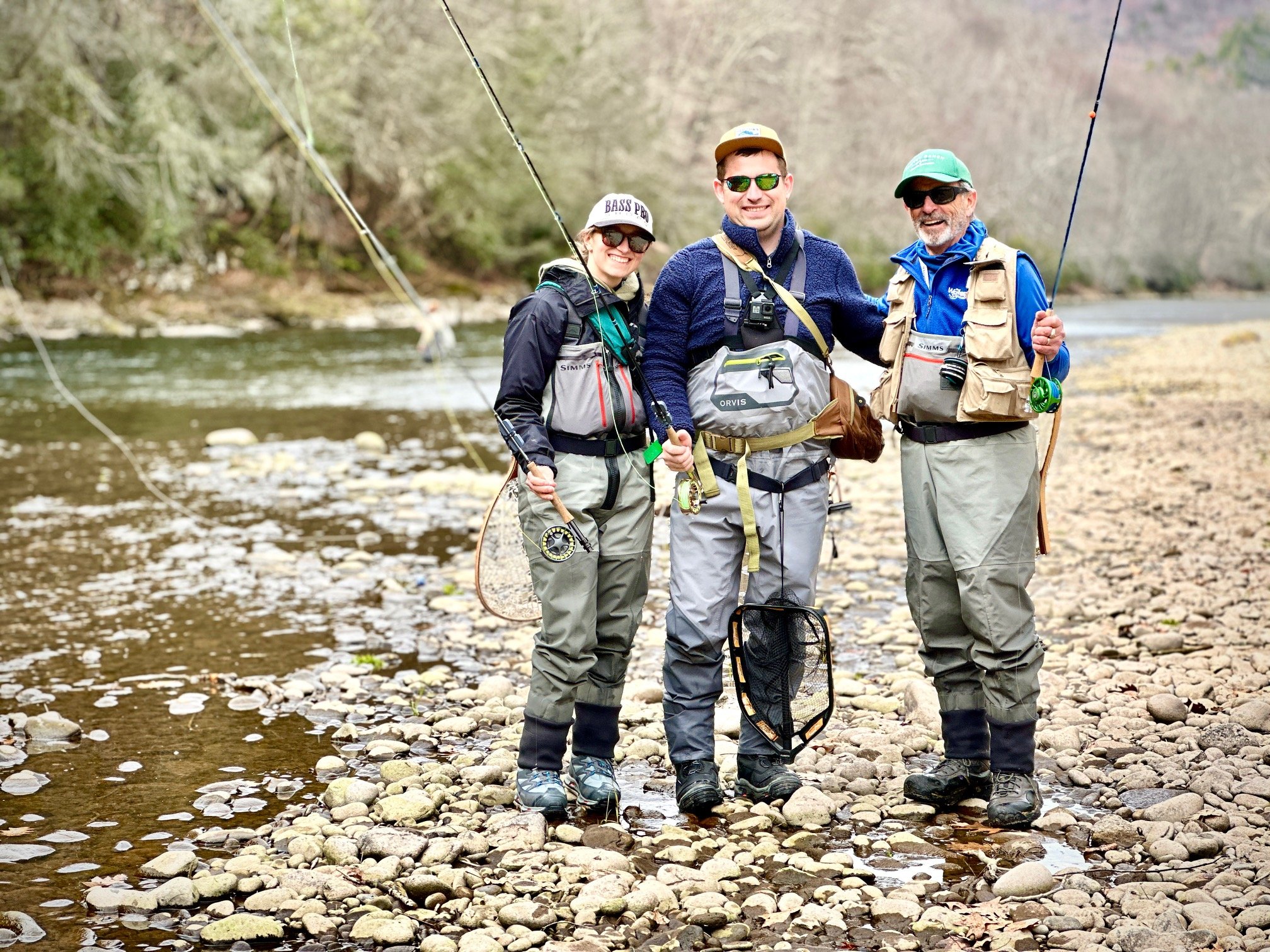
Friday kicked off with optional guided and waded fishing outings on the legendary Delaware River system. This year felt a bit different — just three weeks earlier, images and videos of large ice chunks floating down the river were still circulating online. Thankfully, we were blessed with the first truly nice weekend of the season. The water was running high and cold, so our group opted for the Main Stem of the Delaware and settled into a classic nymph and streamer day. About an hour into the float, I had the first strike of the day — and to my surprise, it was a chunky 14-inch walleye that hammered a big stonefly! The rest of the morning was slow, with only one rainbow making it to the net. After lunch, as the sun moved across the sky, the action picked up. I connected with a solid 14-inch rainbow on a stonefly, while my partner upfront had a blast picking apart slower pockets with brown streamers. Given the long, cold winter and delayed spring — with water temperatures still only in the mid-40s — our expectations were modest. Still, landing six or seven fish and missing a few more made it a truly unforgettable day on the water. The afternoon continued with a fun angling social featuring Dette Flies at Upward Brewery in Livingston Manor. The evening wrapped up perfectly with an optional F3T Film Tour at the Catskill Fly Fishing Center & Museum.
Conservation Wins Across the Northeast
The weekend was packed with inspiring updates from the front lines of trout conservation:
Heritage Brook Trout efforts highlighted the Ashoka Watershed Program’s success in rediscovering genetically unique strains of wild brook trout. These fish have adapted to their individual streams — a powerful reminder of why local, science-based work matters.
New York shared major progress on wild trout conservation, including successful dam removals on Mongaup Creek and Young’s Mill Dam that restored steelhead spawning habitat. Their new stream categorization system and use of drones for thermal imaging showed how smart planning and technology can drive bigger results.
Across the region, we heard compelling stories of barrier removals (including 50 barriers on the Moose River in Pennsylvania that reopened 43 miles of habitat), abandoned mine drainage remediation, and strong “River Restoration Networks” that combine invasive species control with tree planting and volunteer power.
A consistent theme: partnerships and persistence deliver real results.
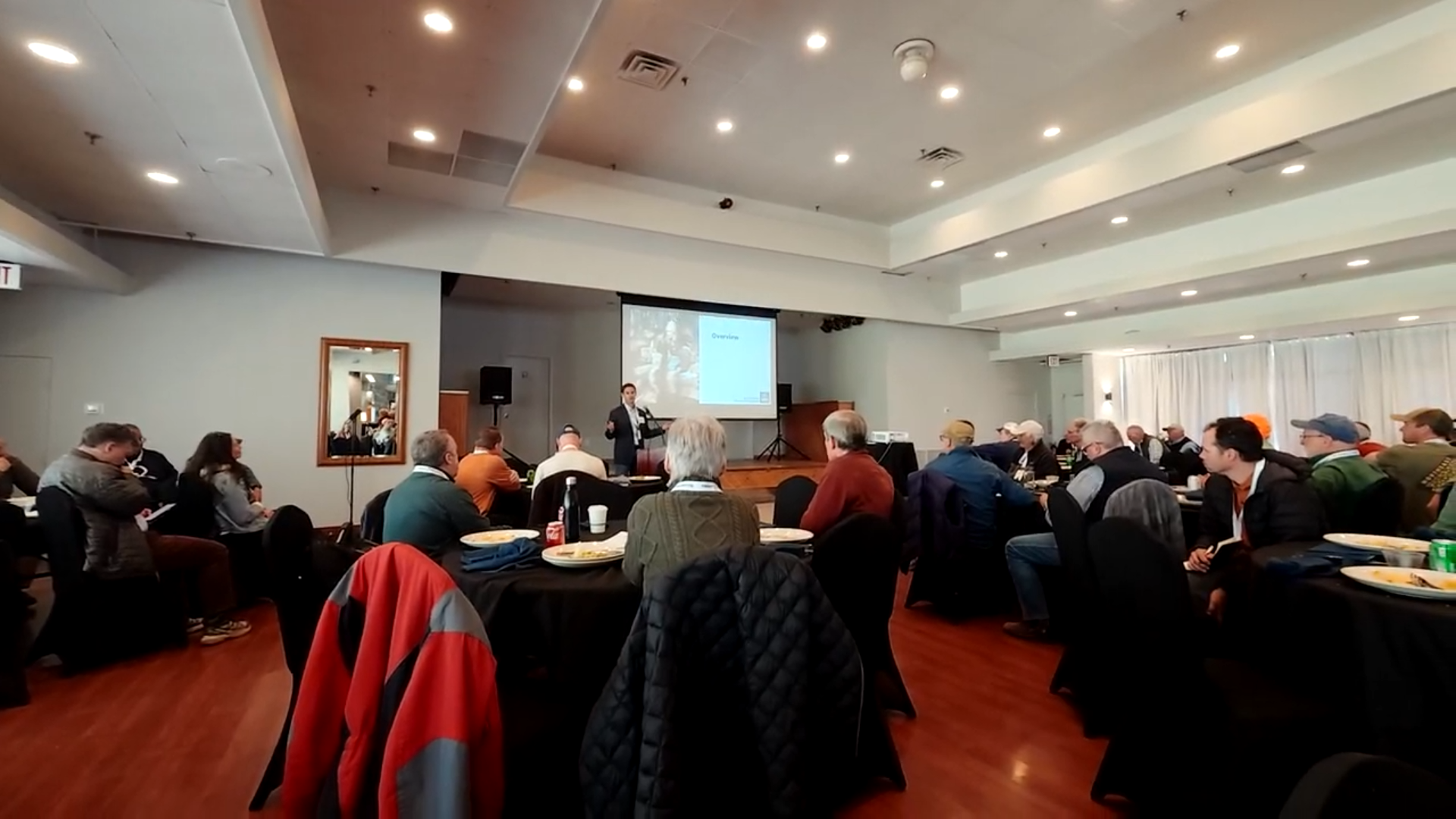
Passing the Torch: Engaging the Next Generation
One of the most important conversations focused on attracting and retaining younger members. Maggie Heumann and Cecily Nordstrom delivered a strong closing message: “Lead the way; then pass the torch.”
Key takeaways for our chapter:
Move from traditional “meetings” to fun, approachable events — especially family-friendly, beginner-focused, and non-angling activities.
Emphasize conservation impact and community over just fishing.
Explore classroom programs like “Science on the Fly” and bug/invertebrate education.
Consider partnerships with colleges, Boy Scouts, and programs like 5 Rivers.
Use modern tools (Canva templates, TikTok, strong chapter websites) and consistent branding that communicates passion, hope, and empowerment.
Rhode Island TU is already well-positioned to lead in this area — now is the time to get creative.
What This Means for Rhode Island
We returned to Rhode Island energized with actionable ideas:
Hosting more varied, welcoming events that appeal to under-40s, families, and women.
Expanding our youth education efforts (Trout in the Classroom, RITU TEENS and beyond).
Strengthening our presence at local fishing openings and community events.
Continuing to be the “Eyes on the River” for Rhode Island’s coldwater resources.
The Northeast is full of dedicated TU volunteers making measurable progress despite real challenges like climate change, habitat fragmentation, and legacy pollution. The collective energy and shared knowledge at the Rendezvous reminded us that when chapters work together and engage new people, we can achieve big things.
Want to Get Involved?
Whether you’re an experienced angler, a conservation-minded community member, or someone who simply loves our rivers and streams, Rhode Island TU has a place for you.
Stay tuned for upcoming events, volunteer opportunities, and new initiatives inspired by what we learned in Roscoe. Follow us on social media and check our Events page — we’d love to see you on the water or in the field making a difference.
Tight lines and clear water, Rhode Island Trout Unlimited